
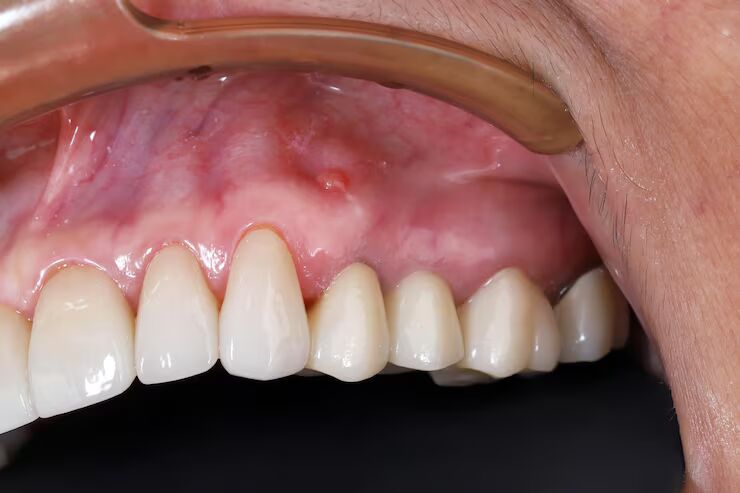
Gum tissue that has already pulled away from a tooth usually does not grow back on its own. If you are wondering, can gum recession be reversed? In most cases, lost gum tissue cannot return naturally, but further recession may be slowed or managed by treating the underlying cause and improving daily oral care. Gum recession can occur for several reasons, including gum disease, brushing too hard, teeth grinding, and other factors. Early assessment can help identify the cause and determine suitable care. Periodontal treatment in NE Calgary may be recommended when gum problems need professional treatment.
Understanding why the gums are receding is an important first step towards protecting the teeth and surrounding tissues.
What Causes Receding Gums?
Understanding the causes of receding gums can help identify ways to protect them from further damage. A recession may develop gradually, so the changes are not always noticed right away.
Possible causes include:
- Gum disease that damages the tissues supporting the teeth
- Brushing the teeth too hard
- Using a hard-bristle toothbrush
- Teeth grinding or clenching.
- A tooth position that puts pressure on the gum
- Gum injury or irritation
- Natural changes in the gum tissue over time
More than one factor may contribute to gum recession in some cases.
Can Receding Gums Grow Back?
Once gum tissue has receded, it generally does not grow back naturally. This means that waiting for the gums to return to their previous position may not solve the problem.
Treatment can help identify the cause and protect the remaining gum tissue. Depending on the cause, treatment may include brushing more gently, treating gum disease, managing teeth grinding, or covering exposed areas of the tooth root.
A dental clinic near you can examine your gums and teeth to determine the extent of recession and what may be contributing to it.
Does Gum Recession Mean Gum Disease?
Not always. Gum disease is one possible cause, but recession can also result from brushing pressure, grinding, tooth position, or other factors.
Signs that may occur with gum disease include:
- Red or swollen gums
- Bleeding during brushing or flossing
- Persistent bad breath
- Gums that feel tender
- Teeth that appear longer because the gums have moved
- Loose teeth in more advanced cases
A dental assessment can help determine whether gum disease is present or whether another cause may be responsible.
Can Gum Recession Be Treated?
The treatment depends on the cause, severity, and condition of the gums. Mild recession may be managed by addressing the factors causing irritation or damage. More advanced cases may need additional treatment.
Periodontal treatment in NE Calgary may help manage gum problems and protect the tissues around the teeth. Treatment options can vary and may include professional cleaning, improved daily care, treatment for gum disease, or gum procedures in selected cases.
The goal is not always to make the gums return to their original position. Care may instead focus on stopping or slowing further damage and protecting the affected tooth.
How to Stop Gum Recession From Getting Worse
Daily habits can help protect the gums. A dental clinic in NE Calgary can provide guidance based on the condition of the gums and the likely cause of recession.
Helpful steps may include:
- Use a soft-bristled toothbrush.
- Brush gently rather than applying strong pressure.
- Clean between the teeth regularly.
- Follow recommended professional cleaning schedules.
- Avoid ignoring bleeding or swollen gums.
- Discuss teeth grinding or clenching with a dental professional.
- Attend dental visits to monitor changes.
These steps may help reduce factors that can contribute to further gum irritation.
Get the Right Care for Receding Gums!
Gum recession should be assessed when changes in the gum line, sensitivity, bleeding, or exposed tooth surfaces are noticed. Early care may help identify the cause and protect the gums from further damage.
Temple Square Dental can assess gum recession and discuss suitable treatment options based on individual needs. Book an appointment today to have your gum concerns assessed and to understand the next steps for care.
FAQs
Can receding gums grow back on their own?
Usually, gum tissue that has already receded does not grow back naturally. However, treating the cause may help prevent further recession and protect the remaining gum tissue.
Is a gum graft the only fix for receding gums?
No. A gum graft is one possible treatment for selected cases, but it is not needed for every person with gum recession. Treatment depends on the cause, severity, symptoms, and condition of the gums.
Does teeth grinding cause gum recession?
Teeth grinding may place extra pressure on the teeth and surrounding tissues. It can contribute to dental wear and other problems, so addressing grinding may be part of managing gum concerns in some cases.
How do you stop gum recession from getting worse?
The first step is finding the cause. Gentle brushing, good cleaning between the teeth, professional dental care, and managing factors such as gum disease or grinding may help reduce the risk of further recession.
Are receding gums a sign of gum disease?
It can be, but not every case of gum recession is caused by gum disease. An examination can help identify the cause and check for other signs of gum problems.