
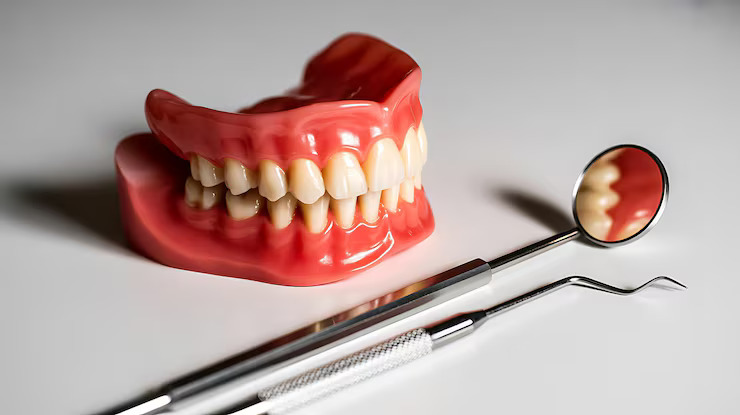
Have you recently started wearing a new set of dentures and found that they do not feel completely natural yet? Adjusting to new dentures can take some time as the mouth, gums, cheeks, and tongue adjust to the new appliance. Eating certain foods, speaking clearly, and keeping the dentures comfortable may feel different at first. The adjustment period is different for everyone, but wearing the dentures as advised, practising speaking, choosing softer foods at first, and following proper care instructions can make the transition smoother. With time and patience, daily activities can become easier as the mouth becomes more familiar with the new dentures.
How Long Does It Take to Adjust to New Dentures?
For many patients, getting used to new dentures may take a few weeks. During the first days, the dentures may feel unusual, and speaking or eating may require extra practice.
The time it takes to get used to dentures can depend on:
- Whether you have full or partial dentures
- How well they fit
- The health of your gums
- Whether you have worn dentures before
- How quickly your mouth adjusts
Some people get used to dentures quickly, while others may need more time.
What Happens During Denture Recovery Time?
Denture recovery time is not the same for everyone. The gums and mouth tissues may need time to adapt to the pressure and movement of new dentures.
During the early stage, it is possible to notice:
- Mild gum tenderness
- Increased saliva
- A feeling of fullness in the mouth
- Slight difficulty speaking
- Changes in chewing comfort
These changes often improve as the mouth becomes more familiar with the dentures near you
. Severe pain or ongoing soreness should not be ignored.
Why Do New Dentures Feel Strange at First?
New dentures may feel strange at first because your tongue, cheeks, and gums need time to get used to them. Even if the dentures fit well, your mouth may need some time to adjust.
Speaking may feel difficult at first. Reading aloud and practising words can help you speak more clearly as you adjust.
Eating may also take some practice. Start with soft foods and take small bites to make eating easier.
How Can Eating Become Easier With New Dentures?
Learning to chew with new dentures takes practice. Food may feel different, especially when chewing on one side causes the denture to move.
Helpful tips include:
- Start with soft foods.
- Cut food into small pieces.
- Chew slowly.
- Use both sides of the mouth when possible.
- Gradually add firmer foods as comfort improves.
- Avoid very sticky foods during the early adjustment period.
If chewing remains difficult after the initial adjustment period, the fit may need to be checked.
What Can Help With Sore Gums?
Mild soreness can occur while the mouth becomes accustomed to new dentures. However, repeated rubbing or painful areas may indicate that the dentures need an adjustment.
Helpful steps include:
- Wear your dentures as advised.
- Keep your dentures clean.
- Brush and clean your mouth every day.
- Give your gums time to rest when advised.
- See a dentist in NE Calgary if soreness continues.
Well-fitted dentures should feel more comfortable over time. If pain continues, get professional advice instead of trying to adjust the dentures yourself.
When Should Dentures Be Checked?
A dental clinic near you can assess the fit if new dentures continue to cause discomfort or feel unstable. Small changes to the fit may sometimes improve comfort and function.
You may need to see a dental professional if:
- Your dentures keep slipping while eating or speaking.
- Sore spots do not get better.
- Your dentures feel too tight or too loose.
- Chewing is still difficult.
- Pain continues after you have had time to adjust.
A professional can check if the problem is with the fit or another oral health issue.
Can New Dentures Feel Normal Again?
Yes, many patients become comfortable with their dentures after a period of adjustment. The time needed depends on individual factors and the type of denture.
Regular use, good cleaning habits, and following professional instructions can help the transition. If problems continue, an adjustment may be needed to improve the fit.
Give Your Mouth Time to Adjust!
Wearing new dentures takes time and varies from person to person. After getting implants, your speech, chewing, and comfort might vary a bit in the beginning. These usually get better with time and practice. A smooth and easy transition for your body is likely to happen, provided you maintain proper cleaning, eat mindfully, and take timely professional help for correction.
Ready to make your new dentures more comfortable? Book an appointment with Temple Square Dental to discuss any concerns and get guidance for a smoother adjustment.
FAQs
Is it normal for new dentures to hurt?
Mild soreness is common at first. However, ongoing pain or sore spots should be checked by a dental professional.
How can I get used to speaking with new dentures?
Speaking may feel different at first. Reading aloud and practising difficult words can help you adjust.
Why do my new dentures move when I eat?
Some movement is normal at first, but frequent slipping may mean the dentures need a fit check.
When should I contact a dentist about new dentures?
Contact a NE Calgary dentist if you have ongoing pain, sore spots, or loose dentures. They can check the fit and make adjustments if needed.