
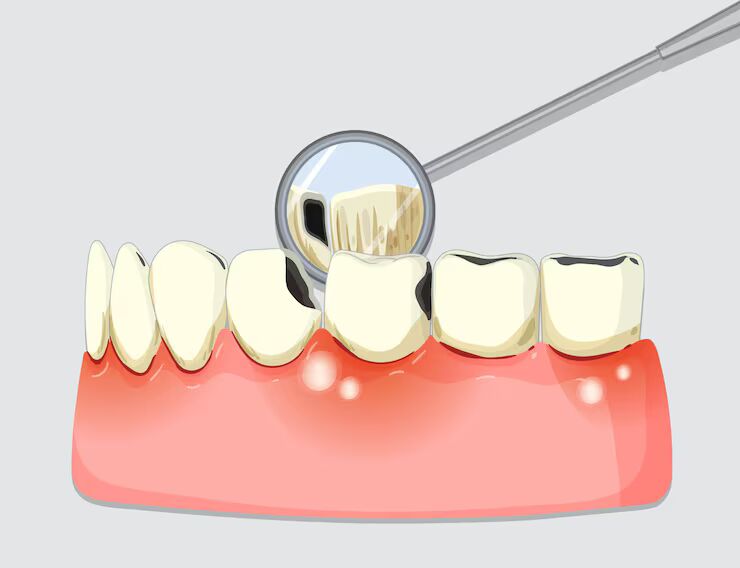
Tooth enamel is the hard outer layer that protects your teeth. Acid from food, drinks, or your stomach can slowly wear it away. This can make your teeth more sensitive and easier to damage. This is called tooth enamel erosion. Unlike cavities, which are linked to bacteria, acid erosion directly wears away the tooth surface. Lost enamel cannot grow back, but simple changes to your eating, drinking, and brushing habits can help prevent more damage.
Regular dental checkups in NE Calgary can help identify early signs of enamel erosion. A dental professional can also explain how to protect your teeth and help prevent further damage.
What Causes Tooth Enamel Erosion?
Acid can slowly weaken tooth enamel, especially when your teeth come
into contact with it many times a day. Common causes include:
- Acidic drinks: Soft drinks, sports drinks, energy drinks, and fruit juices.
- Acidic foods: Lemons, oranges, foods with vinegar, and sour candies.
- Frequent snacking: Eating often can repeatedly expose your teeth to acid, giving them less time to recover.
- Stomach acid: Acid from acid reflux or frequent vomiting can wear down tooth enamel.
- Dry mouth: Less saliva means your mouth cannot wash away acid as well or protect your teeth properly.
The risk depends on how often teeth are exposed to acid, how much saliva is present, and other personal factors.
What Are the Signs of Enamel Erosion?
Early enamel erosion may be difficult to notice. As the enamel becomes thinner, changes in the teeth may become more visible or uncomfortable.
Common signs of enamel erosion include:
- Tooth sensitivity: Discomfort when eating or drinking something hot, cold, or sweet.
- Yellow-looking teeth: Thinner enamel can reveal more of the naturally yellow layer underneath.
- Smooth or shiny areas: The tooth surface may look unusually smooth.
- Rounded edges: The edges of teeth may appear worn down.
- Small dents: Indentations may develop on chewing surfaces.
- More chipping or wear: Teeth may become more likely to chip as enamel thins.
These signs can have other causes, so a dental examination at a dental clinic near you
is needed to identify the problem.
How to Protect Tooth Enamel Every Day
Protecting your tooth enamel can help prevent more damage from acid. Small changes in your daily habits can help.
- Drink water often: Have a glass between meals instead of sipping acidic drinks throughout the day.
- Keep acidic drinks to mealtimes: Avoid holding them in your mouth or swishing them around your teeth.
- Use a straw when suitable: This may reduce contact between some drinks and the teeth, but it does not remove the risk.
- Rinse with water after acid exposure: This helps remove some of the acid from the mouth.
- Wait before brushing: After eating or drinking something acidic, wait 30 to 60 minutes before brushing your teeth. This gives your teeth time to recover.
- Brush gently: Use a soft toothbrush and fluoride toothpaste. Brush your teeth twice a day.
- Limit sour candies and frequent acidic snacks: Eating them less often reduces repeated acid exposure.
Foods and Drinks That Help Protect Teeth
Water and milk are better choices for daily drinking than soft drinks or fruit juices, which contain acid. Cheese, plain yogurt, and other calcium-rich foods help keep your teeth healthy. Crunchy vegetables are also good choices for snacks.
You do not need to avoid every acidic food. Instead, focus on how often you eat or drink it, and avoid keeping acidic foods or drinks in your mouth for long periods. If reflux or repeated vomiting may be exposing your teeth to stomach acid, seek medical advice to address the cause.
A dental clinic in NE Calgary can assess enamel wear and recommend changes based on your oral health and daily habits.
When Should You Book a Dental Checkup?
Book a dental visit if you notice ongoing sensitivity, yellowing, worn edges, or dents in your teeth. Early assessment can help identify the cause and reduce the risk of further wear. A dental professional may recommend fluoride products, ways to manage sensitivity, or treatment to protect damaged areas.
Routine dental checkups in NE Calgary can help monitor changes over time, especially if you have dry mouth, acid reflux, or frequent exposure to acidic foods and drinks.
Take Steps to Protect Your Smile!
Tooth enamel can wear away slowly over time. Noticing early signs and making small changes to your daily habits can help prevent more damage. Temple Square Dental can check your teeth, answer your questions, and explain how to protect your enamel. Book an appointment to get advice based on your dental needs.
FAQs
Can tooth enamel grow back after erosion?
No, lost tooth enamel cannot grow back. However, fluoride can help strengthen the remaining enamel and repair early damage. Avoiding acidic foods and drinks and brushing your teeth regularly can help protect your teeth from more damage.
Is lemon water bad for tooth enamel?
Yes, lemon water contains acid that can wear down tooth enamel if you drink it often or sip it for a long time. Try to drink it with a meal instead of sipping it all day. Do not swish it around your mouth. Rinse your mouth with plain water afterward.
Should I brush my teeth right after drinking soda?
No. Acidic drinks soften the enamel temporarily. Wait about 30 to 60 minutes before brushing, and rinse your mouth with water in the meantime. Brushing too soon may increase wear on the softened tooth surface.
Can enamel erosion cause tooth sensitivity?
Yes. As enamel thins, the layer beneath it becomes less protected, which can make teeth more sensitive to hot, cold, or sweet foods and drinks. Sensitivity can have other causes too, so a dental assessment can help identify the reason.